

A Haldi Ghati day trip from Udaipur takes you to an Aravalli mountain pass associated with the 1576 battle between Rana Pratap Singh of Mewar and Raja Man Singh of Amber.
Haldighati is about 40 km from Udaipur, and the museum, memorial and surrounding landscape give the outing its historical focus. If your plans include Hotel Savera rooms in Udaipur, the city is a starting point for the trip.
- Location: Haldighati pass, in the Aravalli Range, connecting the districts of Rajsamand and Pali.
- Getting there: Rajasthan Tourism says you can hire a taxi or rent a car from Udaipur.
- Museum hours: The Maharana Pratap Museum is open daily from 8:00 AM to 6:00 PM.
- Admission: The Ministry of Culture directory gives prices of ₹10 per adult and ₹5 per child.
Why visit Haldighati?
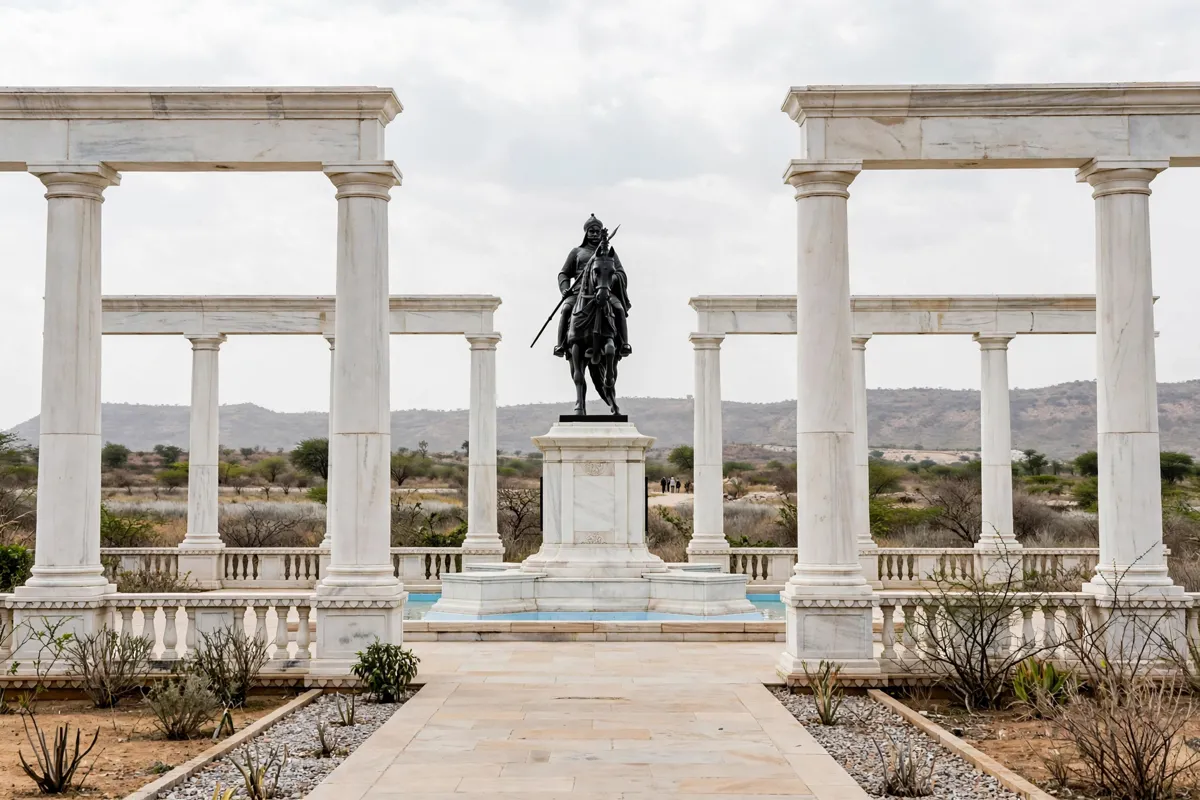
Haldighati is a mountain pass in the Aravalli Range, about 40 km from Udaipur, with a name linked to the yellow soil of the region: “haldi” means turmeric in Hindi. Its place in Mewar’s history comes from the Battle of Haldighati, fought in 1576 between Rana Pratap Singh and Raja Man Singh, a general of Mughal emperor Akbar.
The Maharana Pratap National Memorial adds a second historical stop. Proposed and constructed by the Government of India in 1997, the memorial is described by Rajasthan Tourism as a cenotaph with white-marble columns and a bronze statue of Maharana Pratap riding Chetak.
How do you get from Udaipur to Haldighati?
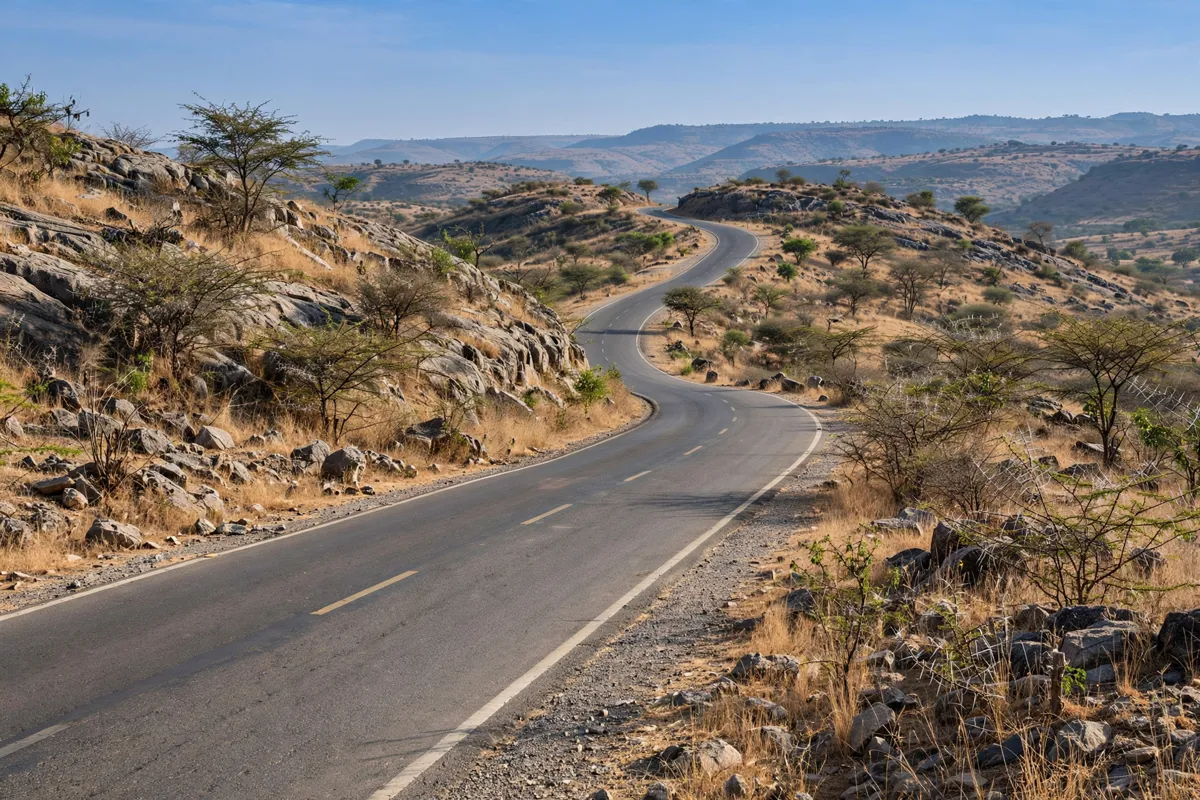
You can travel from Udaipur to Haldighati by hiring a taxi or renting a car, the options recommended by Rajasthan Tourism. The destination lies in the Aravalli hills, and the museum is near Nathdwara, so you can plan your route around these locations.
For the drive, set Haldighati or the Maharana Pratap Museum as your destination. If Nathdwara is also on your itinerary, it may help to plan both stops together; the Udaipur to Nathdwara route and travel options can help you think through that leg.
What can you see at the Maharana Pratap Museum?
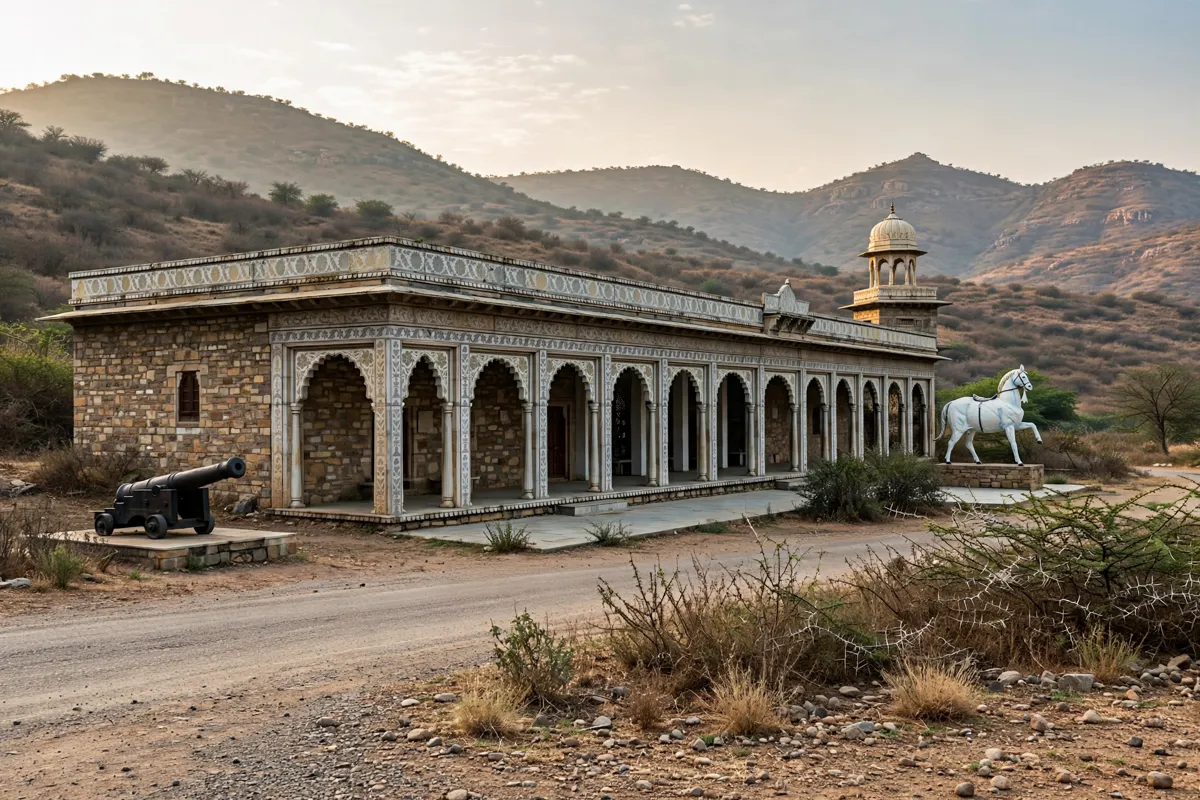
The Maharana Pratap Museum is near Nathdwara in Udaipur, Rajasthan. The Ministry of Culture’s Directory of Indian Museums identifies it as a private personalia museum established in 2003.
Its displays use tableaus to depict scenes from Maharana Pratap’s life, and the museum has a light-and-sound show. The directory also describes a live demonstration of how rose water and rose syrup are made.
Guided tours and light-and-sound shows are available. Haldighati is also known for rose products and Molela mud art, connecting the visit with local crafts and products.
The museum is open from 8:00 AM to 6:00 PM every day, and admission is ₹10 per adult and ₹5 per child. Hours and prices can change, so check the official site before you go.
How much time should you allow?
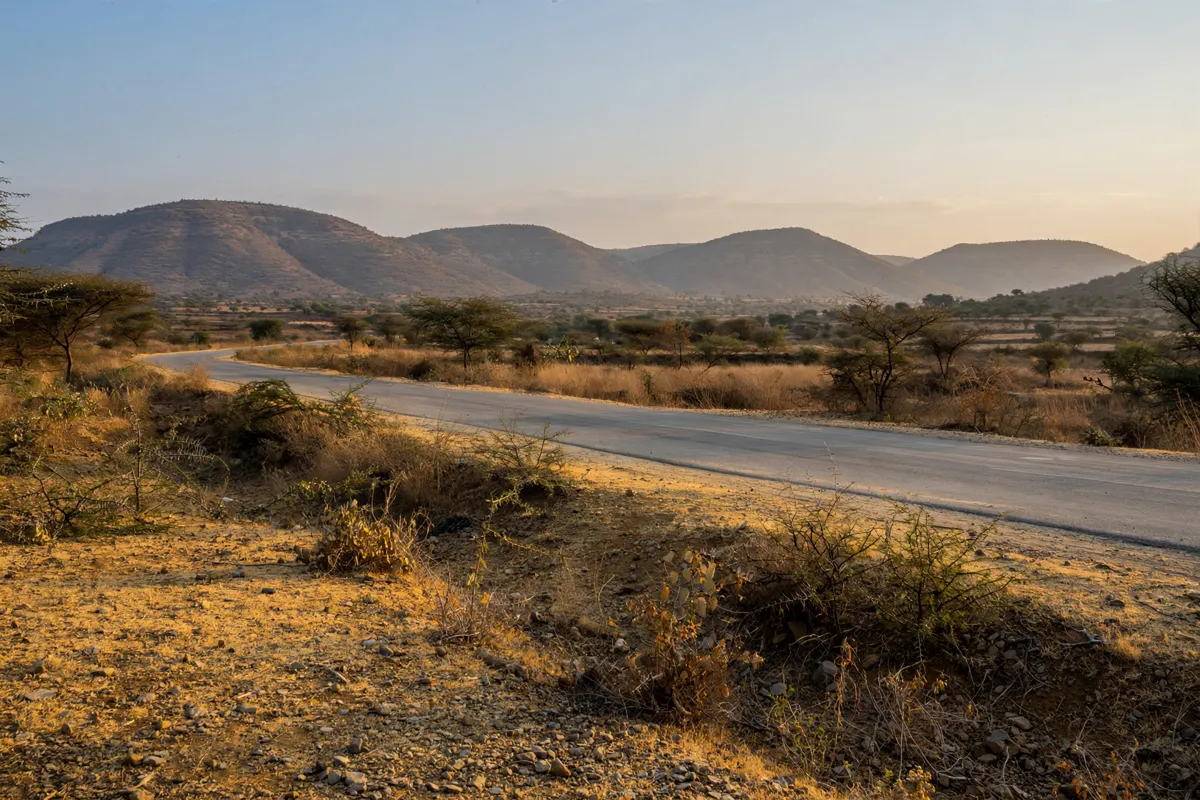
Allow time for the museum and memorial, as well as the journey from Udaipur. A practical sequence is to visit the museum, then see the memorial and pass landscape, keeping the museum’s daily opening hours in mind.
If you want to fit city sights into another day, this practical one-day Udaipur route focuses on planning time in the city.
Can you pair Haldighati with Nathdwara?
Haldighati can be planned alongside Nathdwara: the museum is near Nathdwara, and Rajasthan Tourism describes the Haldighati battle site as southwest of the town. That makes the two places natural candidates for a combined route, though the facts here do not establish a travel time between them.
Check the locations and opening arrangements for each stop when planning your day, then decide whether you want to spend longer at the museum or include time in Nathdwara.
FAQs
How far is Haldighati from Udaipur?
Haldighati is about 40 km from Udaipur.
What are the Maharana Pratap Museum’s opening hours?
The museum is open from 8:00 AM to 6:00 PM every day. Confirm current details on its official site before your visit.
How much is admission to the museum?
Admission is ₹10 per adult and ₹5 per child.
What is Haldighati known for?
Haldighati is known for the 1576 battle between Rana Pratap Singh and Raja Man Singh, as well as its yellow-coloured soil, rose products and Molela mud art.